It has all the ingredients of a thriller movie and brings back memories of the beginnings of Covid. But the risk to the global population is low.
There’s little financial incentive for pharmaceutical companies to invest in a medicine whose target market is the very poorest people in the world.
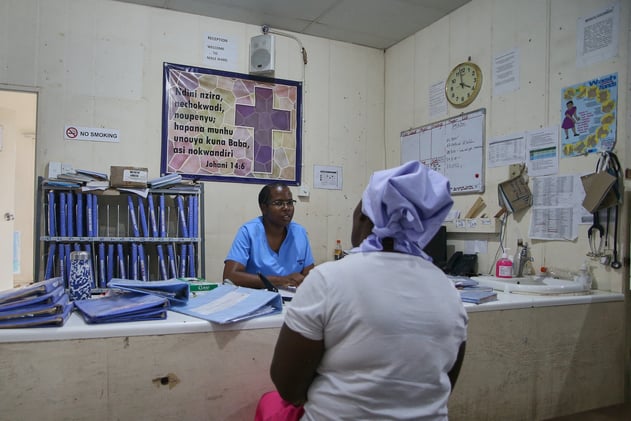
Noma ‘is the quintessential neglected disease,’ striking mostly children under 6 in several African countries. There has been very little research on it.
Funding for the U.S. aid program has dropped about 30%. As one expert said, "We're building up problems for the future."
The result is fragmentation, which can slow the response to outbreaks. The good news is that many countries are making progress to create central health agencies.
Some countries have backup systems to keep medicines flowing. Others do not.
Many countries in the region depend on desalination plants for fresh drinking water. And for many, there is no Plan B if those plants get destroyed.
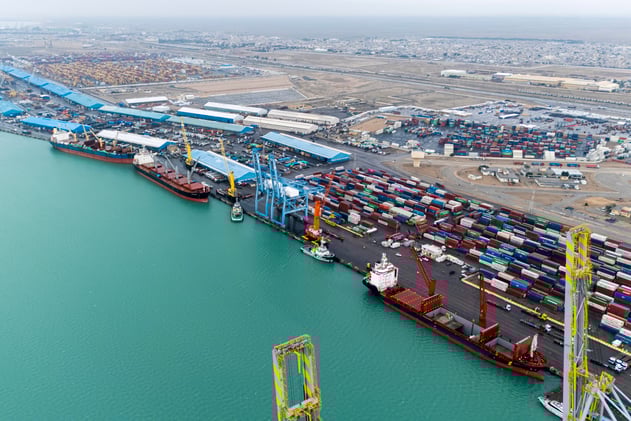
Persian Gulf countries are crucial transit hubs for pharmaceuticals, and drugs that need to be kept cold and have a short shelf life — including some cancer therapies — are vulnerable to shipping delays.
The battle for attention of the masses has moved from press conferences and government PSAs to TikTok, YouTube, and other platforms. Public health agencies need to step up their “creator” game.
Scientists don’t yet fully understand how GLP-1 drugs affect the brain’s reward pathways, but there are promising signals about how they control cravings.
The United States has signed 19 one-on-one health agreements directly with African governments since dismantling USAID last year.
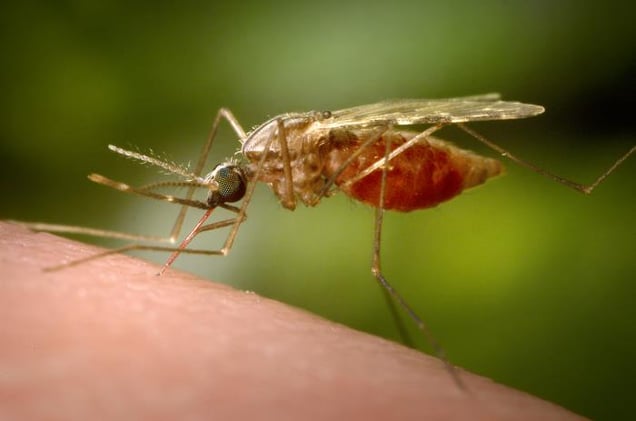
The spread of mosquito-borne diseases across southern and central Europe (and North America, too) seems inevitable.