- Healthbeat
- Posts
- How maternal health is funded in Georgia
How maternal health is funded in Georgia
A new report shows federal and state governments, philanthropies, and nonprofits are all engaged in work to improve outcomes for mothers and babies.

Rebecca Grapevine, Healthbeat
March 12, 2026 • Estimated reading time: 3 minutes
Hi, Atlanta!
The Georgia Health Initiative recently collaborated with NORC, a research organization based at the University of Chicago, to develop a detailed and enlightening report about how we pay for maternal and infant health services in Georgia.
The state’s maternal health crisis — including serious shortages of medical providers in rural areas and poor outcomes for babies and mothers — is not new. But this report provides a 10,000-foot view of how care for mothers and infants is financed.
The 37-page report contains many surprising details. Here are three top takeaways.
The federal and state governments, philanthropies, and nonprofits play an important role in financing maternal health. The report highlights the wide range of programs in each “bucket.” For example, the federal government funds Medicaid and a host of lesser-known programs like nutrition and breastfeeding support via WIC and a maternal and child home visiting program. Philanthropies support everything from university research to community support groups for pregnant women. The report identifies nearly $12 million in philanthropic support for Georgia maternal health since 2023 from organizations ranging from the Arthur M. Blank Family Foundation to the CVS Health Foundation.
Medicaid is key: I was surprised to learn how many births Medicaid covers in Georgia: 46% statewide, rising to 60% in some rural areas. The program provides insurance to low-income people and is jointly funded by the federal and state government, with the state paying about $1 for every $2 in federal funding. Low-income women in Georgia are eligible for “pregnancy Medicaid” coverage until one year after birth. Medicaid also runs special programs that allow it to experiment with new approaches for populations with particular needs. For example, the Planning for Healthy Babies program aims to help mothers who have low-birth weight babies with family planning and support.
Federal funding cuts loom but there are bright spots. Funding cuts from President Donald Trump’s H.R. 1 (“The One Big Beautiful Bill”) will result in $5.4 billion in cuts to Georgia hospitals by 2034. That and other federal changes have created uncertainty for those who work in maternal health. Still, Georgia is attempting to make progress. The state has launched a three-year virtual prenatal care pilot program to improve care in maternity deserts and has expanded the state’s home visiting program for pregnant women and new mothers.
ICYMI
Here’s a recap of the latest reporting from Healthbeat:
Governor’s race: A health care executive is running for Ga. governor. His company has had about $1B in state contracts.
Legislature: Public health bills on foreign-trained doctors, HIV drugs, and school cellphone bans advance
ACIP meeting: Federal vaccine advisory committee: Deadline Thursday to comment on March meeting
Measles mystery: Source of Georgia measles case a mystery as people who were exposed in quarantine
Medicaid: Cuts over fraud claims punish those who need care the most
📰Sign up here to get Dr. Jay K. Varma’s weekly report in your inbox a day early.
Surgeon general: How Trump nominee Casey Means’ medical experience compares to previous doctors in the role
Global aid: How ‘America First’ health aid deals are playing out in Africa
🌏 Sign up here for the Global Health Checkup, a weekly report that explains how global health matters to all.
The Grapevine 🍇
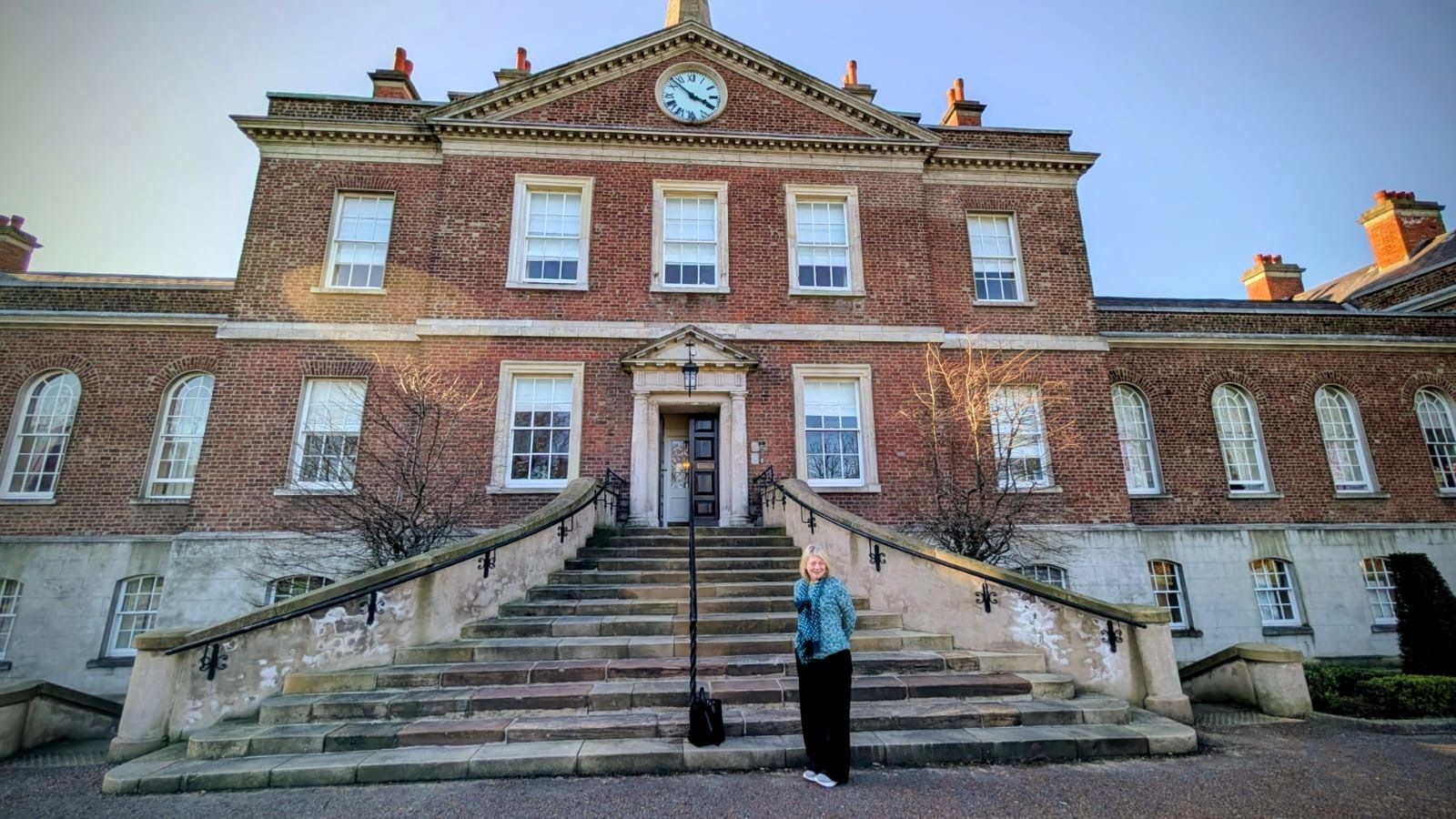
Clifton House opened in 1774 in Belfast, Northern Ireland. (Courtesy of Rebecca Grapevine)
I was on vacation in Belfast, Northern Ireland, last week. The time off was delightful — but I didn’t forget about public health entirely.
I visited the Clifton House, which opened in 1774. Under the auspices of the Belfast Charitable Society, the beautiful Georgian building provided a wide range of services, including housing for poor people, an infirmary, outpatient medical services, and even clean drinking water delivered via wooden pipes. Doctors there would have treated a wide range of conditions, including smallpox, typhus, and cholera.
What’s really cool is 90% of the facility is still used to provide housing to older people — it even has a dementia ward — and the Belfast Charitable Society continues to provide philanthropic support to organizations across the city.
What I’m hearing from readers:
Important story, Rebecca. It would be interesting to know how much the hired medical extras got paid and how much the company profited.
Hear from Healthbeat on other platforms:
I’ve been on air and streaming to share my reporting on a bill moving through the legislature to allow pharmacists to prescribe HIV prevention drugs. Watch on 11 Alive and Fox 5 and listen on the “Georgia Health Report” on WUGA. The bill is advancing.
Measles: Healthbeat national reporter Alison Young speaks to Fox 5 about measles outbreaks as spring break approaches. Watch here.
Upcoming Events
Through March 21: The Atlanta Science Festival hosts more than 100 events across the city. Check out the offerings here.
Saturday: A celebration of life for Dr. Bill Foege, the doctor who helped end smallpox, at Glenn Memorial United Methodist Church. Register here.
March 24: Technology Association of Georgia hosts its Digital Health Summit. Register here.
What Do You Know?
Test your knowledge of public health topics. Today’s question:
Georgia has the second-lowest tobacco tax in the country. The national average is $1.97 a pack. How much is it in Georgia? |
Tell Me More
What questions do you have about public health in Atlanta? You can reach me at [email protected], post a comment, or reply to this email.
In health,
Rebecca
Looking for your next read? Check out these other great newsletters.
|

|

|

|

Reply